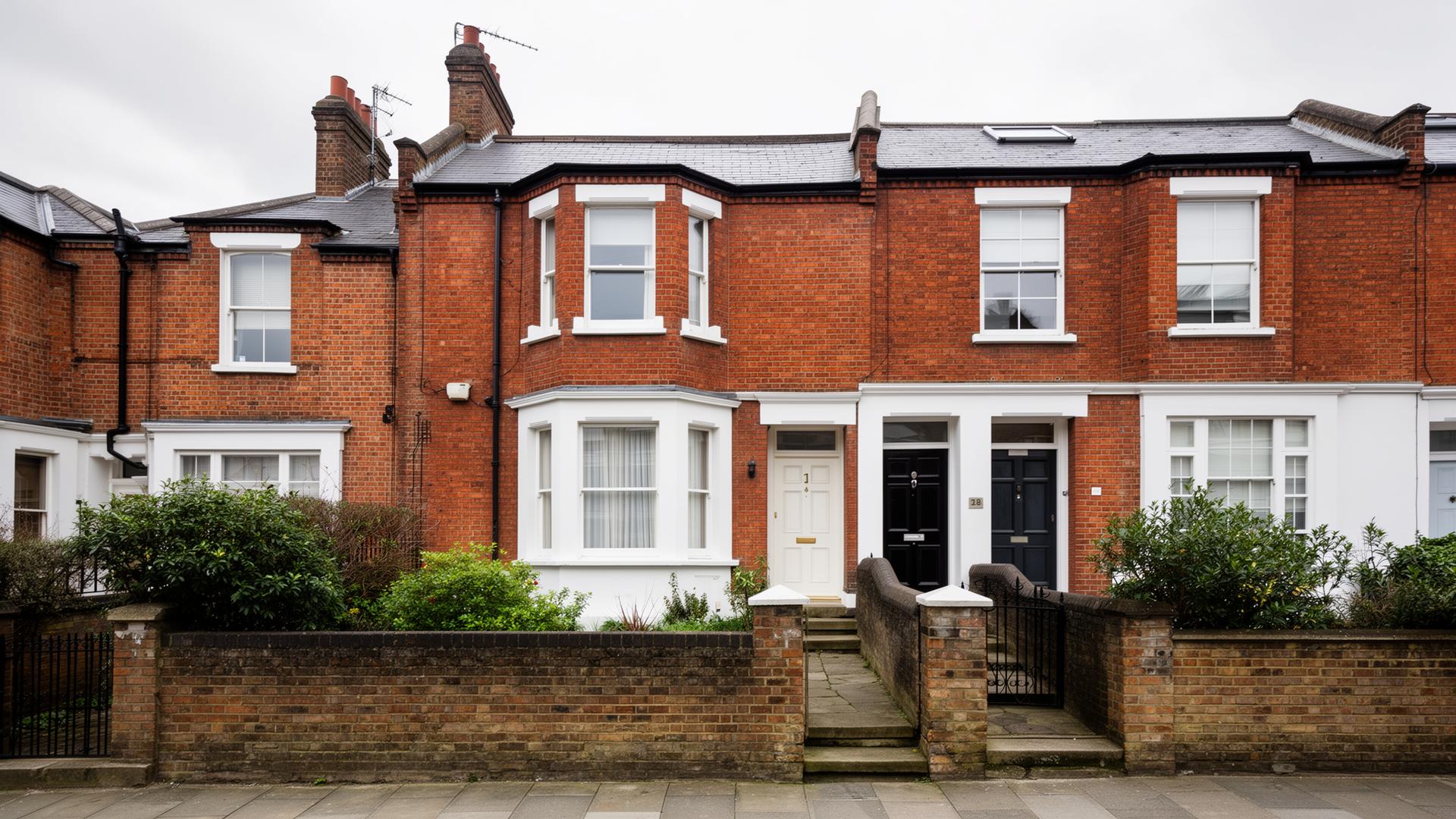
A schedule of condition is a detailed, dated, photographed record of the existing condition of a property at a specific moment in time. It is the evidential baseline. If, six months from now, a contractor working on the adjacent plot, a basement extension, a loft conversion in a terrace, a new build going up next door, a major drainage scheme, causes settlement, vibration damage or cracking to your property, the schedule of condition is the document that proves what was there before and what is new. Without it, you are arguing in the abstract.
When you need a schedule of condition
- You're a building owner under the Party Wall etc. Act 1996. Your neighbour has served notice for works that affect a party wall, a party fence wall, or excavations within three or six metres of your foundations.
- A neighbour is excavating a basement. Basement works are among the highest-risk construction activities for adjoining properties. A pre-works schedule of condition is essential.
- Adjacent new build or major extension. Sustained machinery vibration, foundation excavation and altered drainage all carry a meaningful risk of damage to nearby older properties.
- Highway works close to the property. Cable trenches, piling, drainage replacement in the street, all have caused subsidence damage to adjoining properties in well-documented cases.
- You're a tenant under a commercial lease. A schedule of condition limits your dilapidations liability at lease end to the condition recorded at lease start.
What a schedule of condition includes
- External walls, each elevation, photographed and described with every existing crack, defect, weathering pattern, render or pointing repair noted.
- Roof and chimney condition where visible, including any existing tile slippage, ridge condition or flashing wear.
- Internal rooms, ceiling and wall condition, with each existing crack measured and photographed.
- Floor condition, levelness checked with a digital level, any existing slope recorded.
- Door and window operation, any sticking, mis-alignment or gap-widening recorded.
- Drainage where accessible, manhole covers and any visible defects.
- Site context, driveways, paths, garden levels, boundary walls.
- Photograph index with grid-referenced annotations.
Typical schedule length is twenty to forty A4 pages with eighty to two hundred annotated photographs for a domestic property. Larger, more complex or commercial properties run longer.
Why an independent schedule matters
In party-wall work the building owner's surveyor and the adjoining owner's surveyor each have a defined role under the Act. Where you have any choice in the matter, an independent schedule from a surveyor with no commercial link to the contractor is the most defensible record. If a dispute later emerges and the schedule needs to support a damages claim, the strength of the document depends entirely on the credibility of the surveyor who produced it.
Timing, book before works begin
A schedule of condition produced after works begin is a fraction of the value of one produced before. The whole point is the dated baseline. Where a neighbour has served Party Wall notice on you, the response window is formally fourteen days; an experienced specialist will normally be able to attend and turn the written schedule around inside that window.
Working with party-wall surveyors
We work alongside party-wall surveyors regularly, both where we are instructed as the adjoining owner's surveyor and where we deliver the underlying schedule for a separately-appointed party-wall surveyor. The document is the same. Tell us at instruction whether the schedule needs to integrate into a formal Party Wall Award workflow.
If damage later appears
Should cracks develop during or after the adjacent works, the schedule of condition becomes the central evidence in any damages discussion. Our role is to return, inspect the new condition against the recorded baseline, document each new defect, and produce an opinion on whether the new damage is consistent with construction-induced movement from the works in question. Where the dispute escalates, that opinion becomes a CPR-compliant expert witness report.
Notice of adjacent works just landed? Send us the notice and your property details , we will quote and schedule the visit fast.
The legal framework, Party Wall etc. Act 1996 in plain English
Where a neighbour is doing work that affects a party wall, a party fence wall or excavations close to your foundations, they are legally required to serve formal notice on you. The Act gives you three response options: agree to the works, dissent and appoint your own surveyor (whose fees the building owner pays), or dissent and agree to the building owner's surveyor acting as the agreed surveyor. In all three cases, a properly recorded schedule of condition before the works begin is what gives you teeth if anything later goes wrong. Refusing to engage with the notice is the one option to avoid, silence will not protect you and may weaken any later claim.
What "damage" actually looks like after adjacent works
Construction-induced damage to a neighbouring property typically shows up as one or more of the following: stepped diagonal cracks in brickwork on the elevation facing the works, fresh hairline cracks radiating from window or door corners on the same elevation, plaster cracks at internal junctions that align with the affected external wall, sticking doors and windows that worked freely before, gaps opening at skirting, ceiling-to-wall or floor junctions, and minor misalignment of tiled surfaces. Damage usually appears within days to weeks of the trigger event (a piling sequence, a deep excavation, a heavy dewatering programme) and continues to develop for a few weeks afterwards before stabilising.
What to do if you spot new damage during works
- Stop and photograph. Date the photos, include a ruler for scale, and capture both the damage and a wide shot showing the affected wall in context.
- Notify your surveyor and the building owner's surveyor.In writing. The notification triggers the formal damages process under the Party Wall Award.
- Request a return inspection. A qualified surveyor will attend at the earliest practical opportunity, with the schedule of condition in hand for direct comparison.
- Do not accept verbal reassurance. The contractor may insist the cracks are "pre-existing"; the schedule will settle that question definitively either way.
- Hold off on repairs. Even temporary repairs can compromise the evidential value of the damage. Wait until the comparison report is complete and the damages position is agreed.
Working in commercial leasehold contexts
Commercial tenants frequently commission a schedule of condition at lease commencement to limit dilapidations liability at lease end. The principle is the same as the construction-adjacency case: the schedule fixes the condition in evidence, and the eventual comparison determines what the tenant is responsible for putting right. We deliver these schedules in the format expected by the major commercial managing agents and acting surveyors, and can attend at completion to produce the matching dilapidations report.