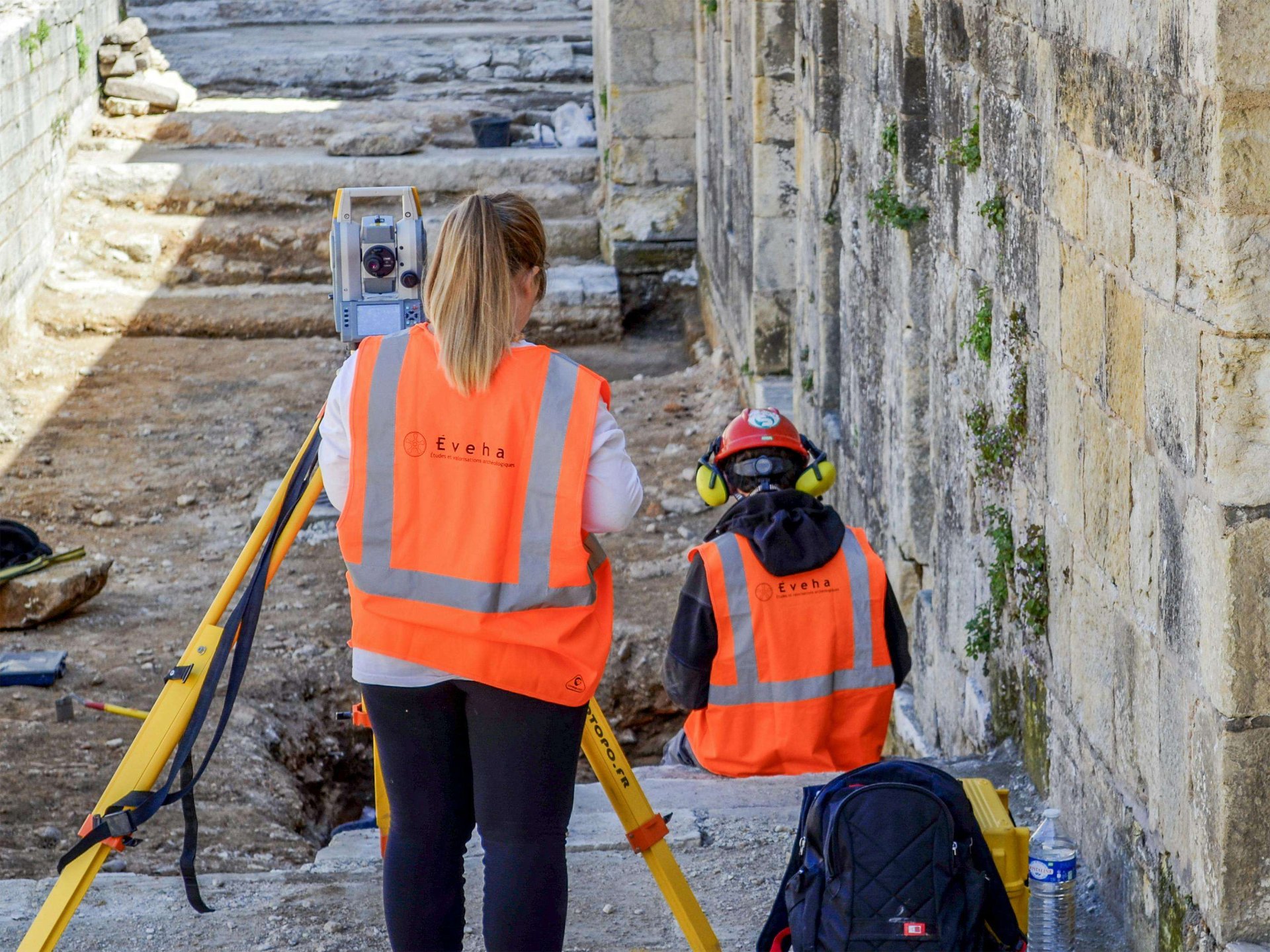
An independent subsidence surveyor is not the same thing as a "free survey" from a repair contractor. We are the alternative, and the difference determines what report you receive and what it costs you. Our network is made up of chartered structural engineers (CEng MIStructE) and RICS-accredited surveyors who specialise in subsidence diagnosis. Every surveyor we work with carries professional indemnity insurance, holds active chartered status, and has signed up to one constraint that the contractor model cannot match: they do not also sell repairs.
Credentials and accreditations
- RICS-accredited surveyors (Royal Institution of Chartered Surveyors), holding Building Surveyor or Valuation Surveyor designations relevant to subsidence work.
- Chartered structural engineers (CEng MIStructE, Institution of Structural Engineers) on every commission that involves structural opinion, calculation or method statement.
- Professional indemnity insurance in line with RICS and IStructE professional requirements.
- Insurer panel experience. Reports our surveyors produce are routinely accepted by every major UK buildings insurer.
- Continuing professional development records maintained in line with both bodies' annual CPD requirements.
Accreditation and accountability in writing
Every report we produce is signed by a named surveyor and carries their professional accreditation (RICS, IStructE or both), their practice registration number and their professional indemnity cover. That signature is what makes the report admissible to insurers, lenders and, if it ever comes to it, a court. It is also what holds us to account: the standards body sets the rules we are measured against, and the signature is our commitment that the conclusions in the report reflect the evidence we gathered on site rather than a convenient pre-determined answer.
How our coverage works
We are a national consultancy, not a single-office firm. That structure means that the surveyor who attends your property is local to your area, familiar with the regional geology and the specific subsidence risks of your housing stock, and able to attend within a sensible timeframe without piling long-distance travel onto your fee. London Clay belt, Coal Measures, Mercia Mudstone, Gault Clay, alluvial fenland, chalk and clay-with-flints capping, former mining areas, every one of those settings has a typical fingerprint, and our surveyors know what to look for in each.
Where we work
We cover the whole of England, Wales and Scotland. Below is a non-exhaustive list of locations with dedicated coverage pages; if your town is not listed, we still serve your postcode, pick your nearest city and the next surveyor we route to will be local.
What you can expect from a qualified subsidence surveyor
- A clear, property-specific quote based on your description and photographs, before any visit is booked.
- A focused site inspection, with calibrated instruments and a disciplined recording method.
- A written report covering photographs, sketches, BRE damage classification and a clear recommendation.
- A follow-up conversation to talk through the report and your options.
- Independence on every page of the deliverable, no embedded sales pitch for repair work.
Working with insurers, solicitors and lenders
A meaningful share of our work comes through professionals who need an independent expert rather than a contractor's free survey: solicitors instructing on behalf of homeowner clients in disputes, loss assessors supporting policyholder claims, and mortgage brokers placing properties with specialist lenders post-subsidence. We are set up to work directly with professional instructors as well as homeowners, and the report format is identical in both cases.
How to engage a qualified surveyor
Send photographs and a brief description through the form on this page. A qualified surveyor reviews every enquiry personally and will tell you whether a paid visit is genuinely warranted and, if so, what it will cost. There is no charge for the photo opinion and no obligation to proceed.
What separates a chartered surveyor from a general inspector
The label "surveyor" is not legally restricted in the UK; anyone can call themselves one. What carries weight in a subsidence context is chartered status with a recognised professional body, either RICS or IStructE, ideally both. Chartered status is earned through a defined academic route, several years of supervised experience, a formal Assessment of Professional Competence (APC), and ongoing CPD commitments. It is also the only route that carries enforceable professional accountability: where a chartered surveyor's work falls short of the relevant standard, the homeowner has formal recourse through the professional body's complaints procedure. Reports produced by non-chartered inspectors do not carry the same standing with insurers, lenders or courts.
Specialisation, why a subsidence specialist outperforms a generalist
A general building surveyor sees movement perhaps a handful of times a year. A subsidence specialist sees it weekly, sometimes daily. The difference shows up in three places. First, in pattern recognition: the specialist immediately classifies what they are looking at against hundreds of previous cases, where the generalist starts from first principles. Second, in geology: the specialist knows what the ground under your postcode is and what it does in a dry summer, where the generalist relies on the report you hand them. Third, in recommended action: the specialist knows which investigations actually move the diagnosis forward and which are expensive distractions, while the generalist tends to recommend everything defensively. Our surveyors are all specialists by deliberate selection, subsidence diagnosis is the discipline we hire for.
The post-report conversation
A report by itself is not the end of the engagement. Most homeowners have follow-up questions once they have read it, usually about what the recommendations mean for selling, insuring or living in the property. A good independent surveyor will talk through what the report means in plain terms and answer the questions that always come up once the document has been digested.